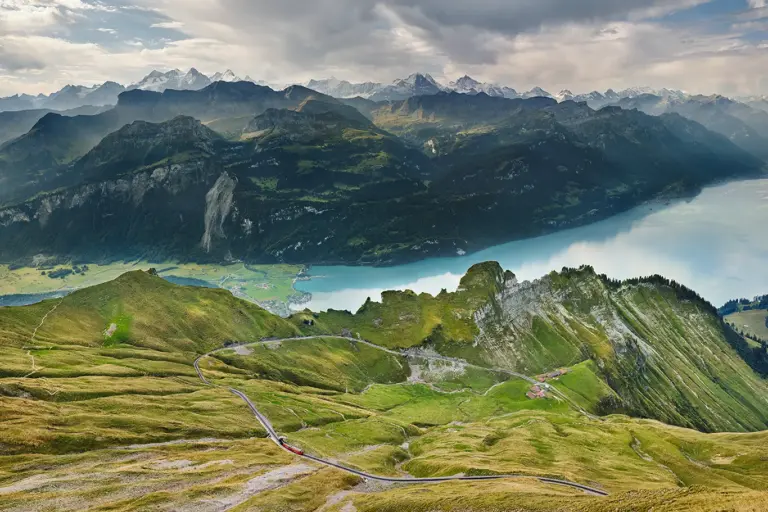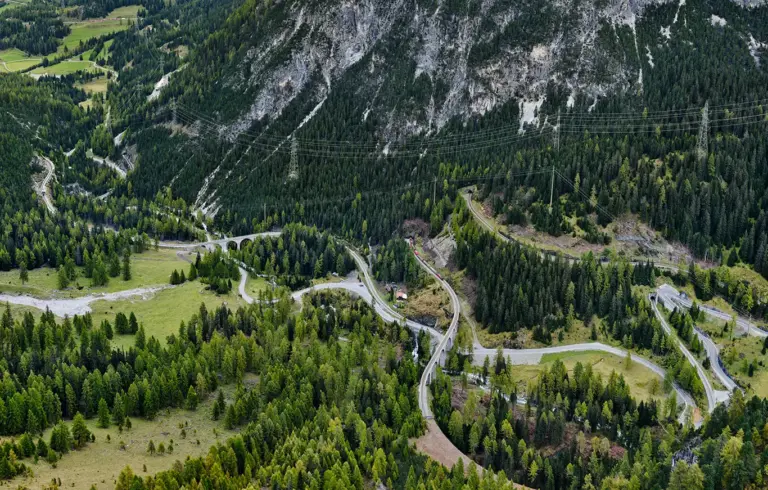

Berninbahn
Scala Gallery
Switzerland
Print Size:
60 x 94 cm
90 x 141 cm
120 x 188 cm
Berninbahn
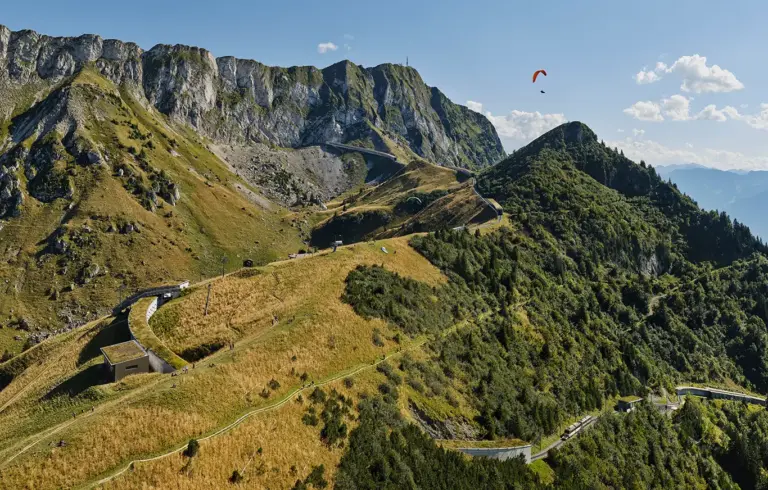
Wherever possible, the route of the Bernina Railway was laid out with the view in mind. You can still see this today. After leaving Ospizio Bernina, the highest point of the route at 2,253 metres, the railway turns towards Alp Grüm, passing through the Scala Gallery.
Yet this pass has been a link for thousands of years. Stone Age finds prove that the Bernina was used as a pass even in prehistoric times. On 5 July 1910, a train travelled from St. Moritz to Tirano for the first time. Four years of construction, thousands of Italian workers, the highest mountains.
Up here, little has changed since then. Two ABe 4/4 III railcars of the Rhaetian Railway lead the train through the landscape. Without a rack-and-pinion system, without a summit tunnel, relying solely on friction and gradient, up to seven per cent in some places. The route has been a UNESCO World Heritage Site since 2008.
It is the cover image of the German issue of the book “Alpine Railways”. And almost didn’t come to be. I had often walked past this spot, just 30–40 metres away. This time, however, I took a closer look. On that day, it was the last train in daylight. And then they came. Two ABe 4/4 III. In service on the Bernina Railway since 1988, striking, angular, unmistakable. They were taken out of regular service at the end of 2023.
Print Sizes
I can recommend these sizes. As things don’t always fit perfectly in real life, the print can be made to your exact specifications, down to the centimetre.
If, for example, you would like the print to be 78 cm high, please use the ‘Custom Size’ calculator here or in the form below. The calculator will immediately work out the correct dimensions for the design.
Print Size
60 x 94 cm
90 x 141 cm
120 x 188 cm
Smaller Sizes
40 x 62,5 cm
Custom Size Calculator
Perfect Print Size
The ideal size of the print is important – and people often choose prints that are too small.
The best method: cut out the desired image size from newspaper and attach it to the wall using masking tape or removable adhesive tape. Only then can you really see if the size is right.
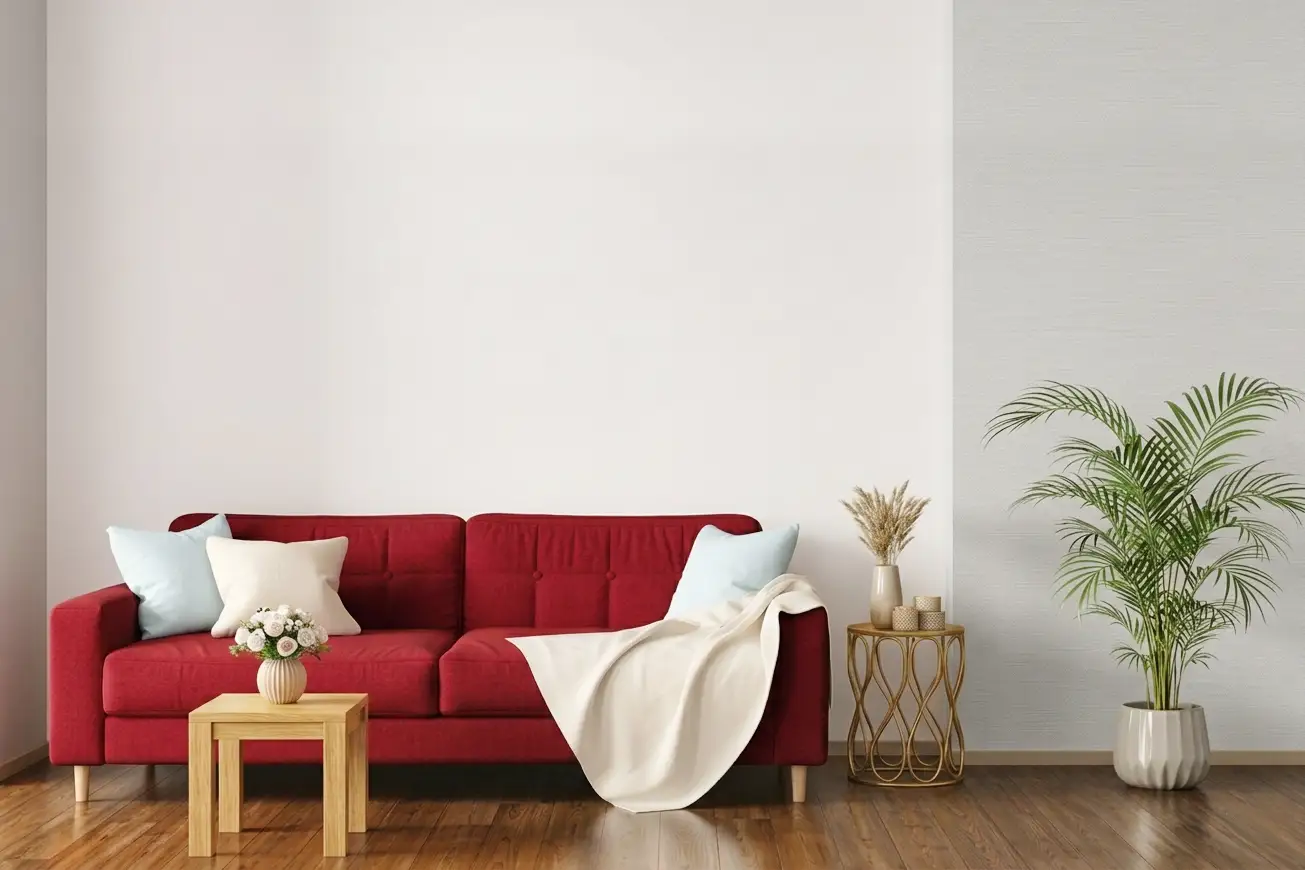
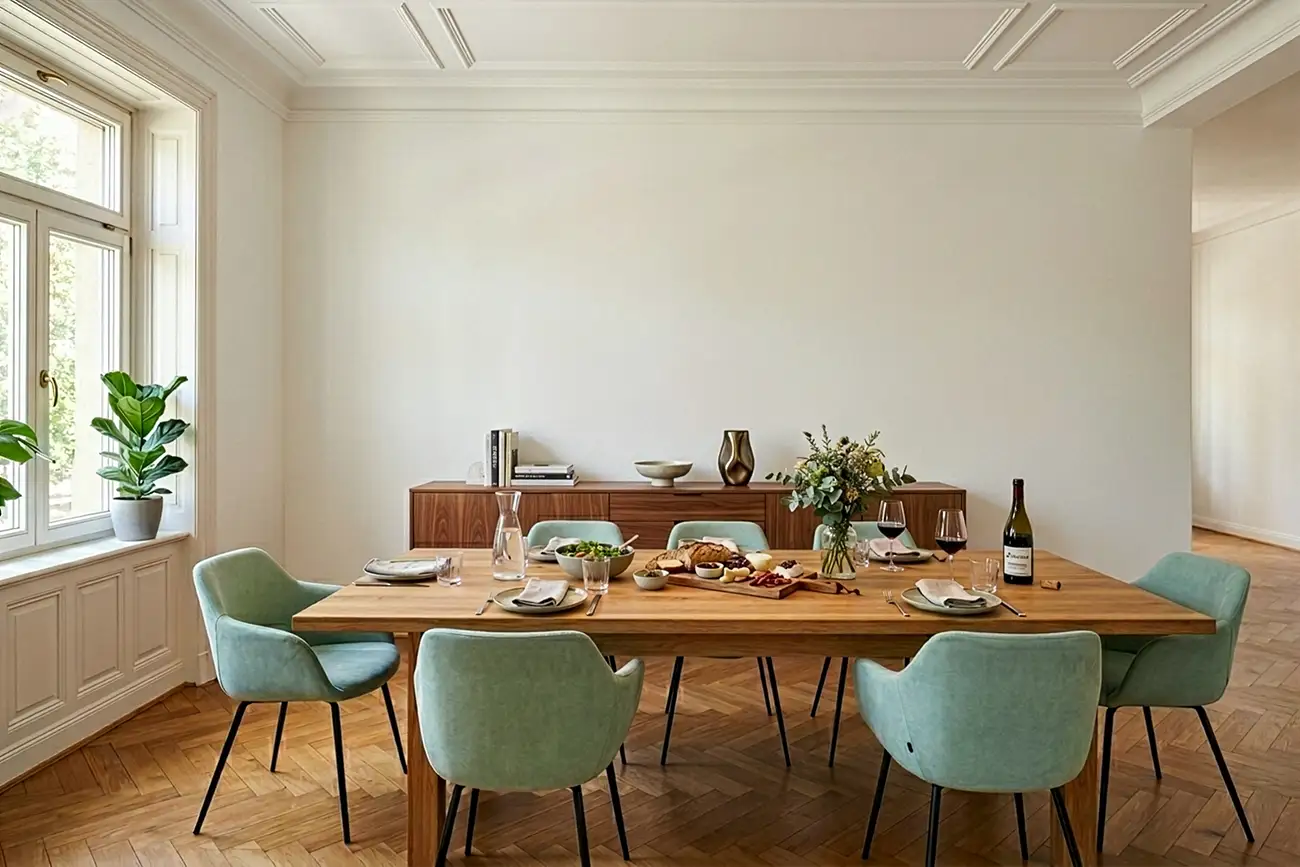
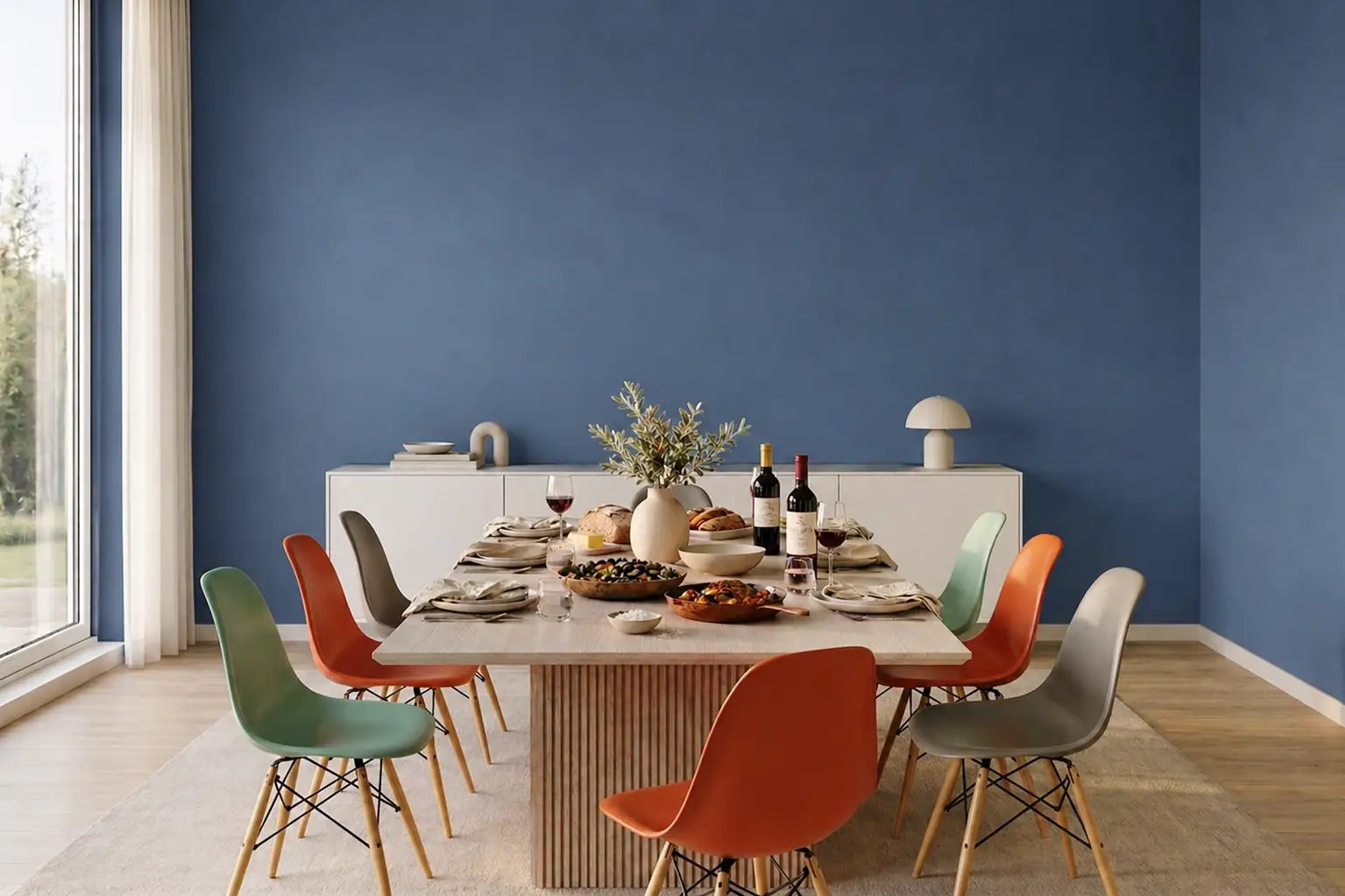
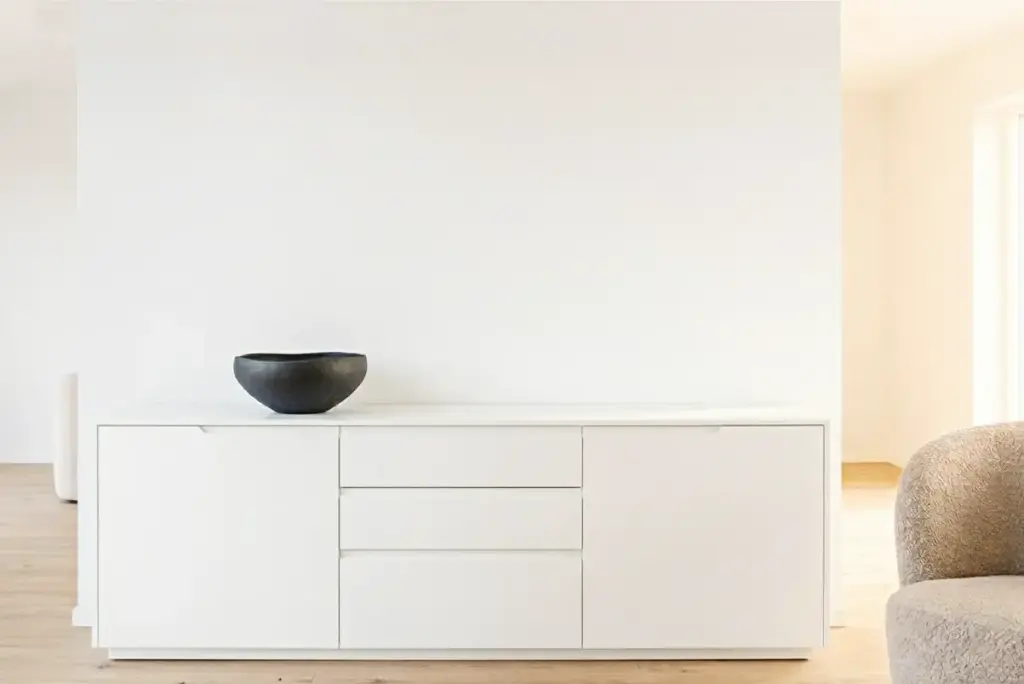
The virtual room views also help you to assess the effect in a spatial context. And if you’d like, send me a photo of the room – I’ll create a personalised room view for you.
Print Finishes & Prices
Prices
Edition size
9
The prices for the floater frame apply to the standard versions in white, black and brown (glazed). All prices include VAT.
Floater Frame
60 x 94 cm
1.100 €
90 x 141 cm
2.300 €
120 x 188 cm
ab 3.400 €
Alu-Dibond
60 x 94 cm
900 €
90 x 141 cm
1.950 €
120 x 188 cm
ab 3.000 €
Acrylic Glass - 4 mm
60 x 94 cm
1.000 €
90 x 141 cm
2.150 €
120 x 188 cm
ab 3.200 €
Acrylic Glass - 2 mm
60 x 94 cm
875 €
90 x 141 cm
1.650 €
Only the Print
60 x 94 cm
800 €
90 x 141 cm
1.450 €
120 x 188 cm
2.200 €
Small Sizes
40 x 62,5 cm
ab 450 €
The prints can be collected, delivered in person or shipped worldwide. Postage costs depend on size, weight and destination; they are calculated on a case-by-case basis and shown in the quote. Within Germany, they range from €7.69 to €200, depending on size and weight.
Floater Frame
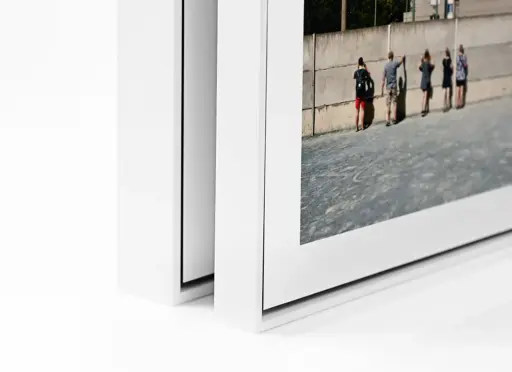
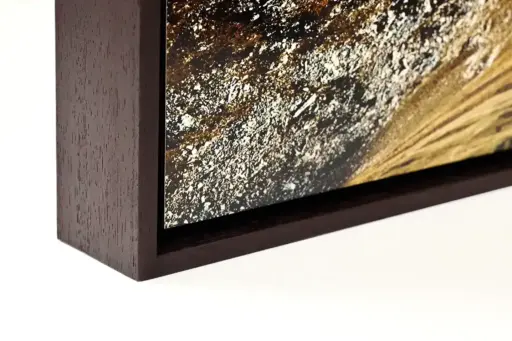
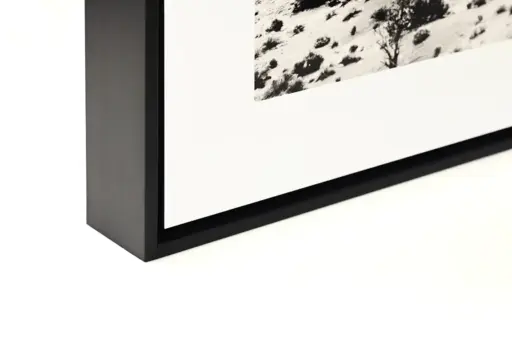
I particularly like this style of presentation and recommend it for photographs across many of my series — the result is elegant and timeless.
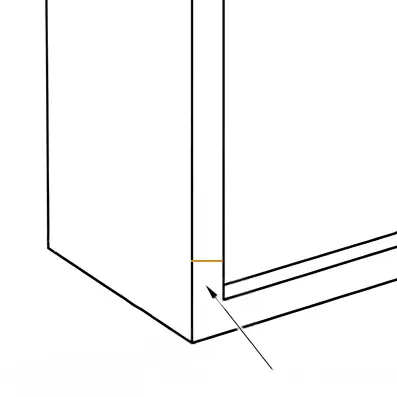
The photo paper is first mounted onto a 2 mm thick aluminium Dibond panel and then fitted into a bespoke wooden frame. Between the frame and the print is a ‘shadow gap’, a space approximately 5–7 mm wide. This visible gap between the image and the frame creates an impression of lightness and depth.
Classic smooth matt frames are available in white and black, alongside glazed wood frames and solid wood frames in various timber types. Profile depths range from 32 to 54 mm and profile widths from 5 to 15 mm.
Frame Depth
32 mm - 40 mm - 42 mm - 54 mm
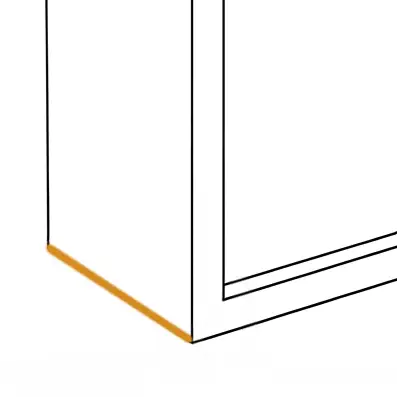
Profile Width
5 mm - 8 mm - 10 mm - 15 mm
Smooth matt finish
White
Depth: 32 / 52 mm
Width: 5 mm
Black
Depth: 32 / 52 mm
Width: 5 mm
Wooden frame, glazed
Black glazed
Depth: 40 mm
Width: 5 mm
Moor colour glazed
Depth: 40 mm
Width: 5 mm
Brown glazed
Depth: 52 mm
Width: 8 mm
Solid wood
Walnut
Depth: 40 mm
Width: 6 / 8 / 10 mm
Oiled Oak
Depth: 40 mm
Width: 6 / 8 mm
Natural Oak
Depth: 32 mm
Width: 5 mm
Alder
Depth: 36 mm
Width: 10 mm
Ash
Depth: 36 mm
Width: 10 mm
Maple
Depth: 36 mm
Width: 10 mm
Alu-Dibond Mount
The print is mounted onto a 3 mm thick Aluminium Dibond panel. An aluminium hanging frame on the back ensures easy and secure hanging. Thanks to its light weight, this version is particularly well suited for wall mounting. Simple and timelessly modern – a classic.
A protective wax coating (see below) may be advisable for additional protection.
Type: Archival Pigment Print
Paper: Baryta fine art paper
Acrylic Glass
The image is mounted behind 4 mm acrylic glass onto a 2 mm thick aluminium Dibond panel – the standard option, which is recommended for its high-quality finish. Alternatively, a version with 2 mm acrylic glass mounted onto 2 mm aluminium Dibond is available.
The timeless design of these acrylic glass prints is widely popular. An aluminium frame on the back ensures easy and secure hanging. Glossy and matt finishes are available.
Glossy glass offers maximum brilliance and depth, reflecting light when exposed to direct light. Matt glass is the elegant solution for bright rooms, as it absorbs reflections almost completely.
Paper: Fuji Crystal Archive photo paper
Polished edges
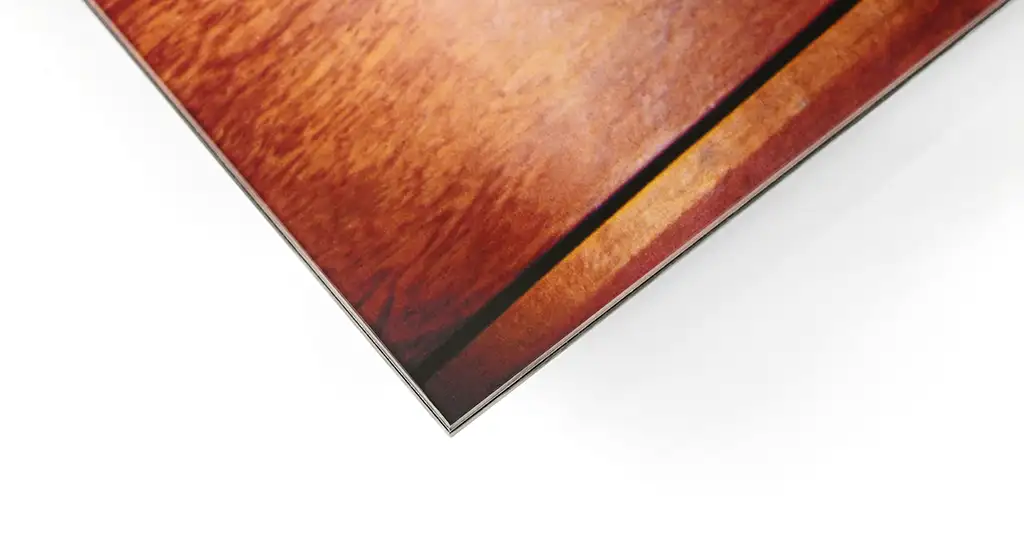
Bespoke Frames
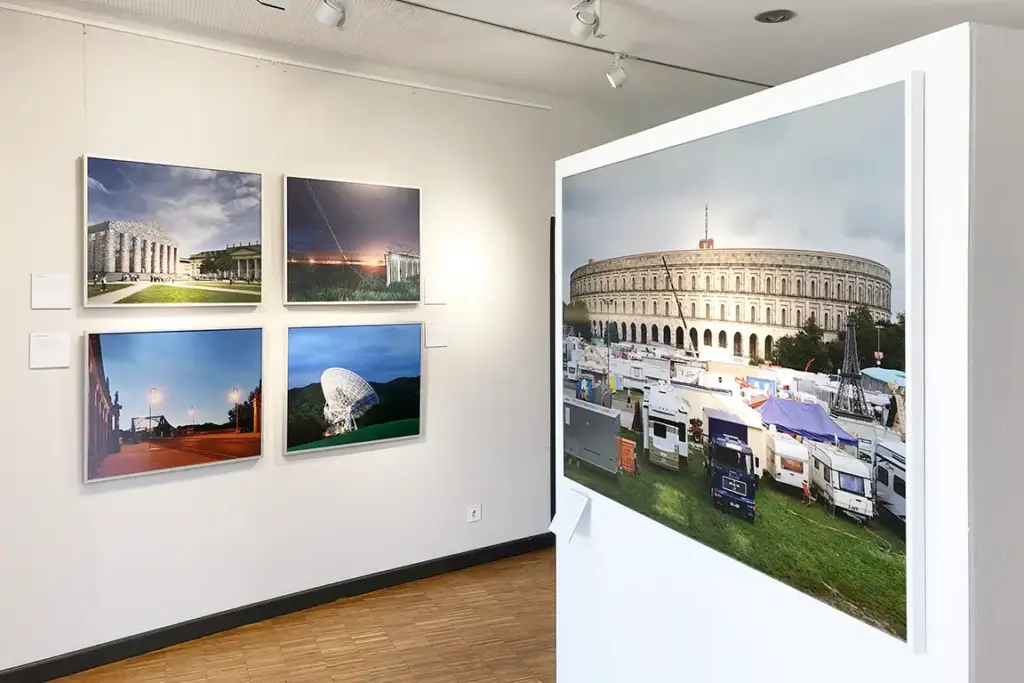
Bespoke frames offer the opportunity to style the print to suit your personal taste and style. The frame colour, profile width and depth can be customised to ensure the presentation is perfectly tailored to the image.
Museum-grade glass can be used, which is virtually reflection-free and allows the colours and details of the print to be seen in their true form. This creates an elegant, clear and expressive presentation that emphasises the character of the print.
- Frames available in a choice of wood type, colour and profile
- Frame depth to your specifications
- Museum-grade glass for a high-quality, reflection-free finish
- Ideal for personal collections
Only the Print
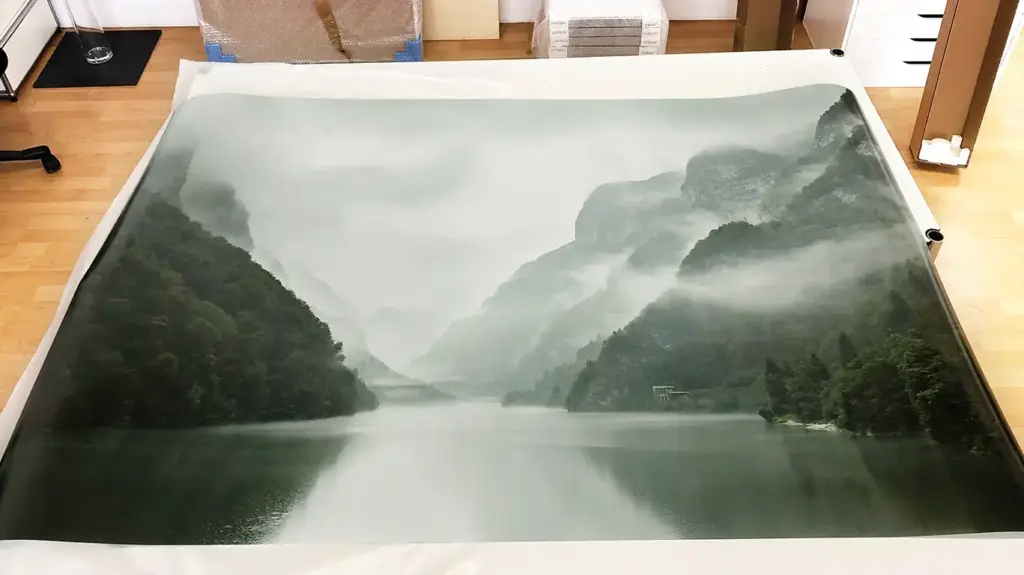
The print is also available unmounted and offers pure fine art quality on high-quality paper. The loose pigment print (inkjet) is usually shipped rolled up and should be processed or framed immediately upon receipt. Please do not store the inkjet print rolled up for any length of time.
If you wish to frame the print yourself or have it framed, we recommend an additional white border around the image. This makes mounting easier (e.g. behind a passe-partout) and protects the edges of the image.
To ensure the print lies perfectly flat, it can be mounted onto a 1 mm thick Forex board.
- Archival pigment print on baryta paper
- White border available for mounting in a passe-partout
- Optional mounting on 1 mm Forex for perfect flatness
- Delivered rolled
Wax coating (protection)
The wax is carefully applied by hand in an ultra-thin layer to the photograph, sealing the surface. This not only gives the image a sophisticated finish but also provides effective protection against scratches, dust and fingerprints. The wax sealant is particularly recommended for Prints mounted on Aluminium Dibond and Floater Frames.
My Recommendation
My two favourite finishes are the print in a Floating Frame and the one mounted on Alu-Dibond. For the Floating Frame, I recommend the brown-stained wooden frame; the walnut frame looks the best.
Room Views
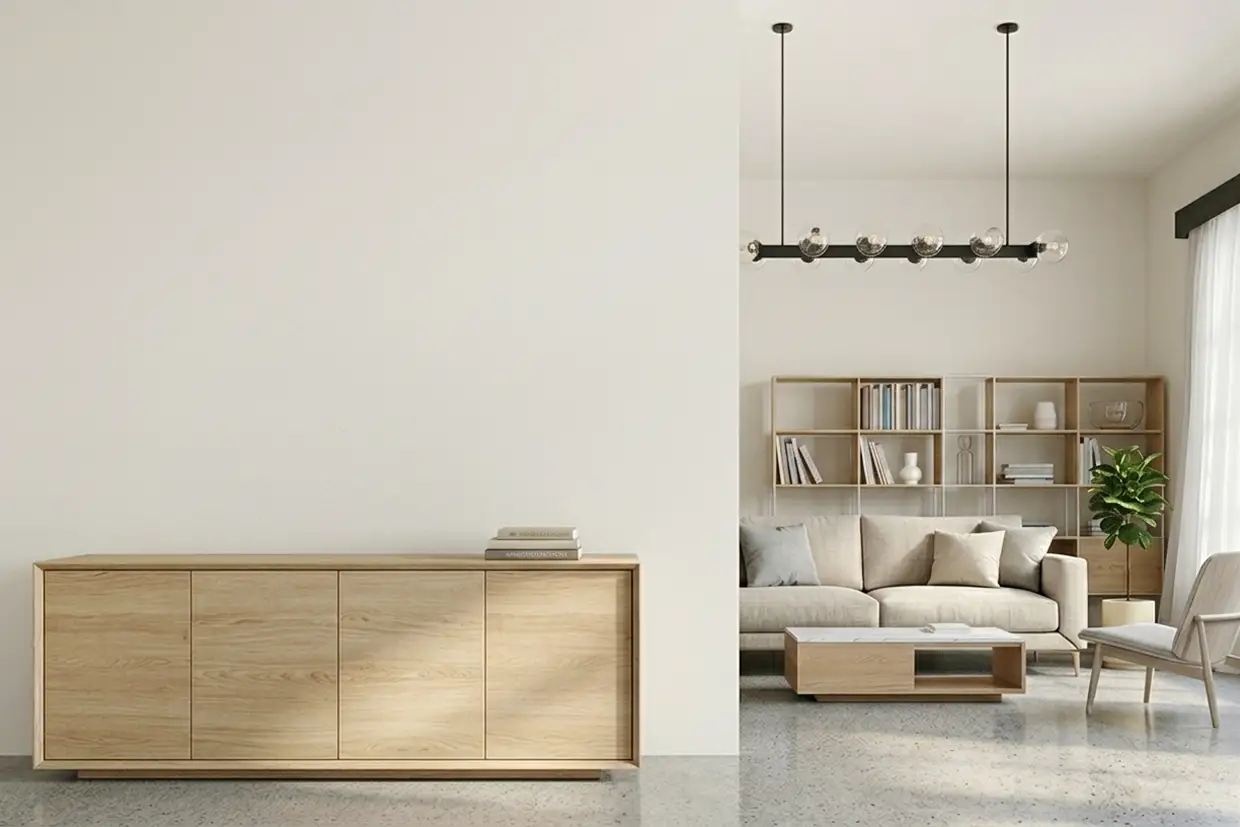
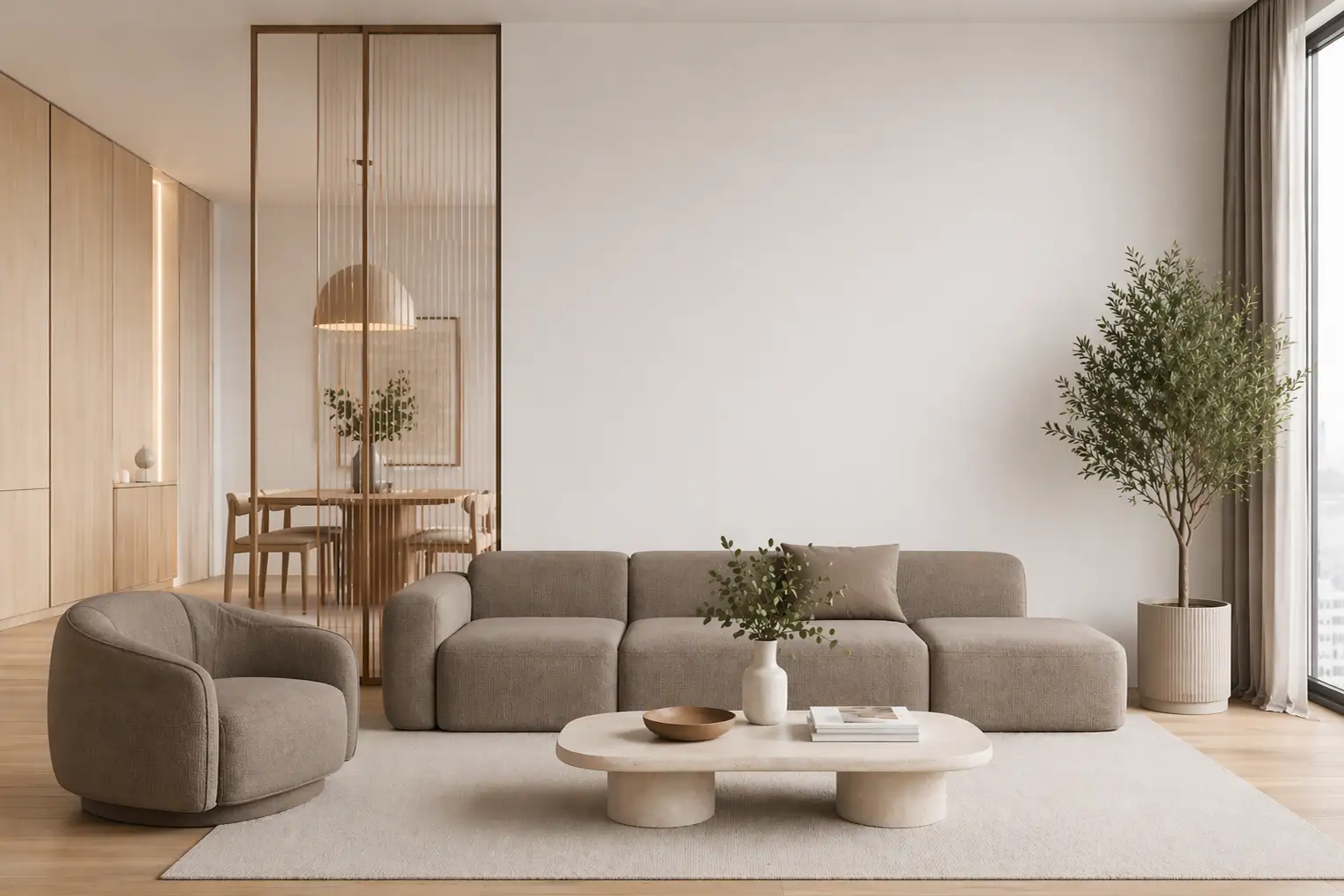
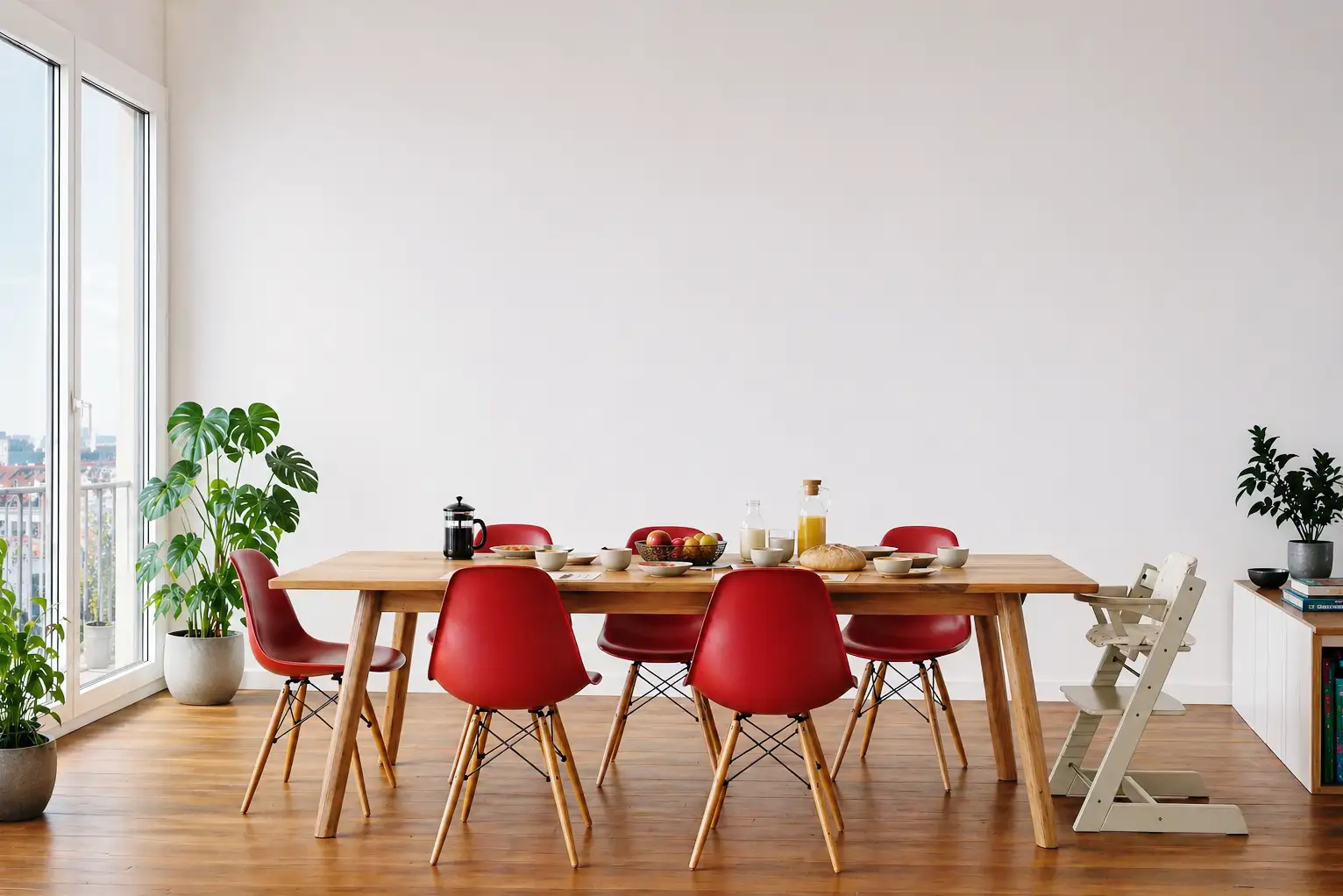
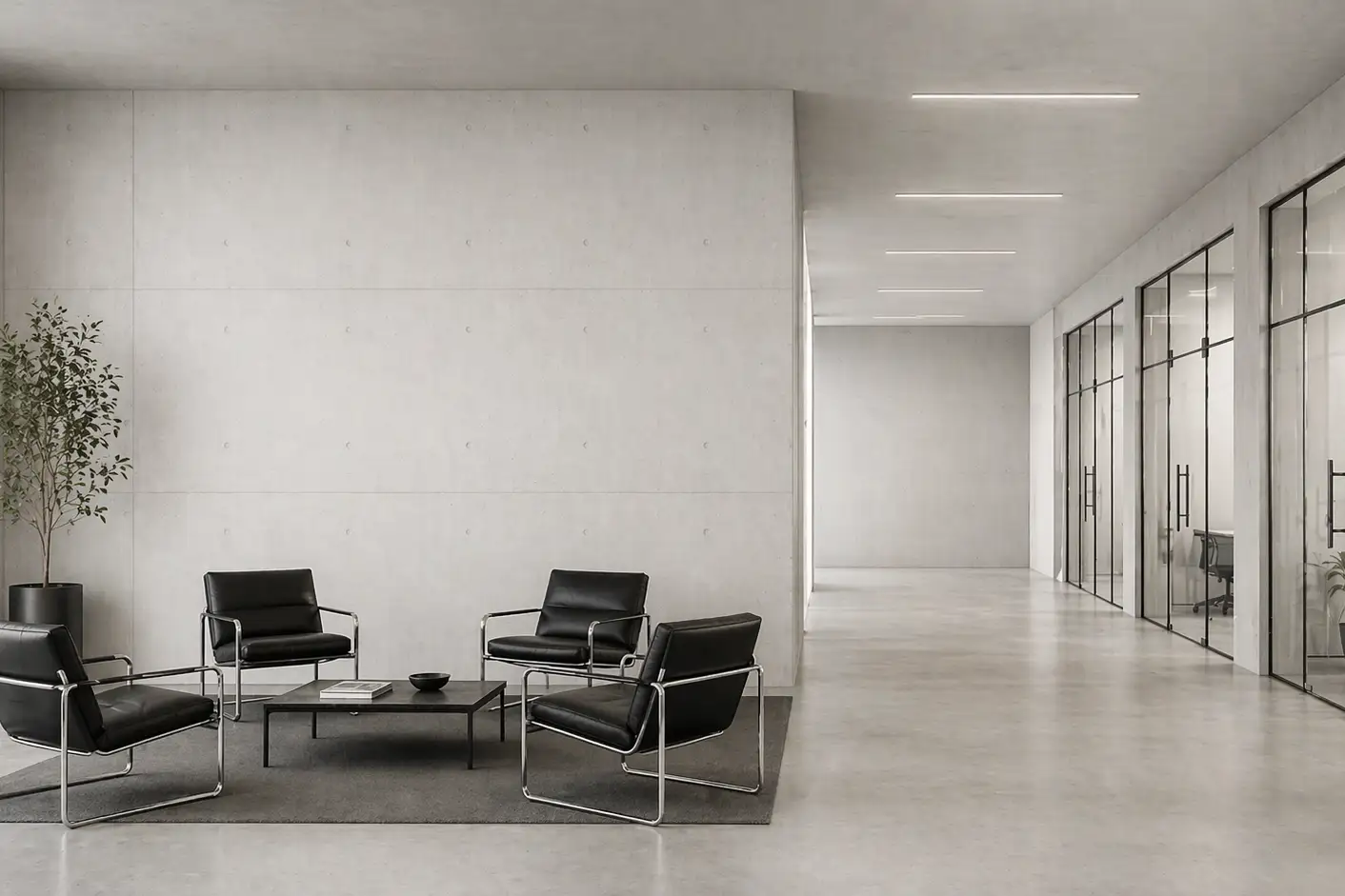
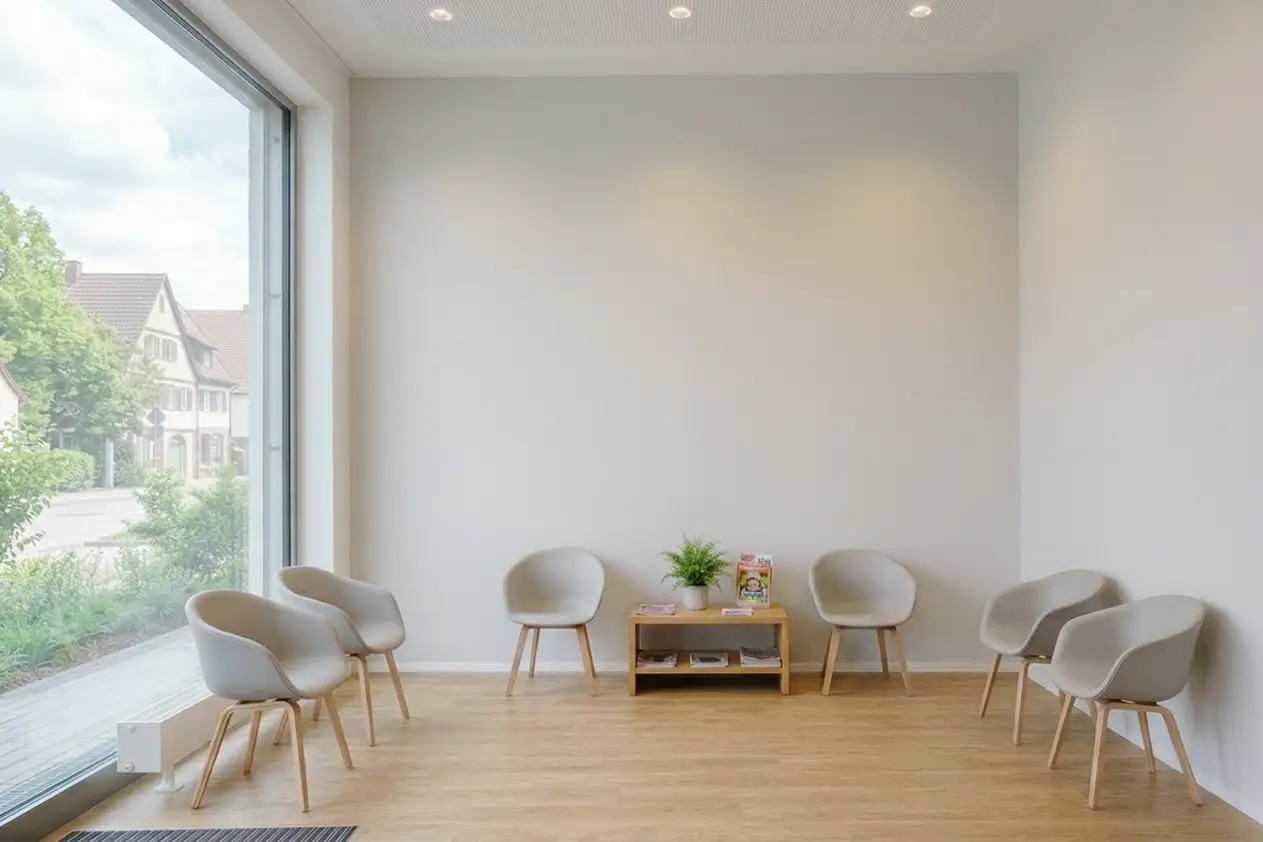
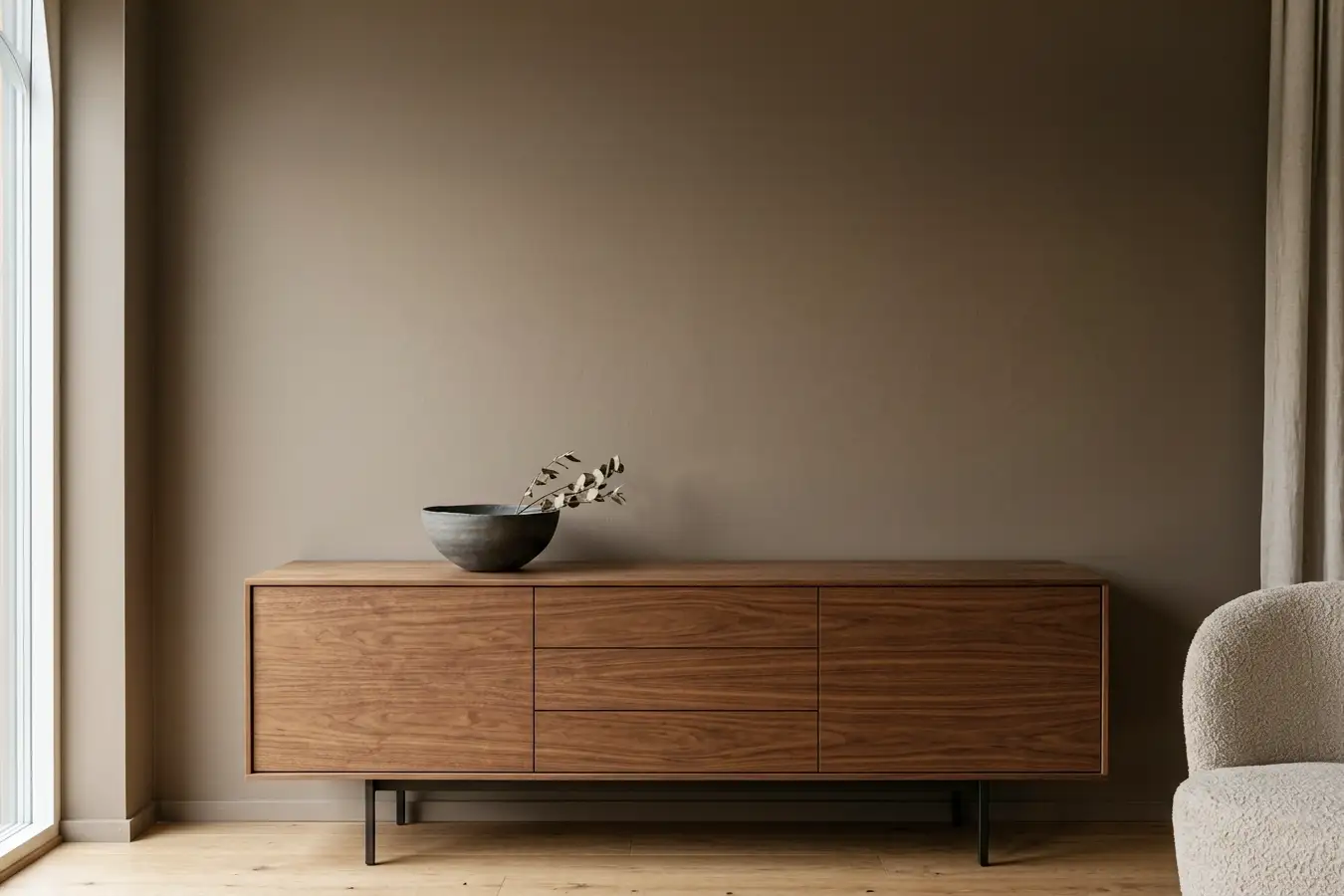
These virtual room views help you assess how the image works within a space
Your Request
Simply send me your enquiry using this form. I will draw up a quote for you based on the price list – including the appropriate delivery option for your format. Please feel free to select your preferred variants and sizes below – combinations of several options are also possible. For enquiries and orders, a phone call on +49 711 3803181 or +49 171 1713230 is often the quickest solution.